





Every 33 seconds, someone in the U.S. dies from heart disease. Many of them had normal cholesterol levels. How is that possible?
As a functional medicine doctor with over 20 years of experience helping patients prevent and reverse heart disease, I’ve learned that standard cholesterol tests often miss one of the most dangerous cardiovascular risk factors: a little-known cholesterol particle called Lipoprotein(a) or Lp(a).
Despite how common and dangerous it is, most doctors don’t test for it. In this article, I’ll walk you through everything you need to know:
- What Lp(a) is
- Why it’s different from LDL
- Why standard tests don’t detect it
- Who should get tested
- What you can do if yours is high
- How to get the right tests to assess your true heart disease risk
What is Lp(a)? Why It Matters
Lipoprotein(a), or Lp(a), is a type of LDL cholesterol particle. What makes it dangerous is the addition of a unique protein called apolipoprotein(a) that makes these particles more inflammatory, pro-atherogenic, and pro-thrombotic (more likely to cause blood clots).
In plain English? It means Lp(a) is a type of bad cholesterol that’s stickier, more damaging to your arteries, and harder for your body to clear than typical LDL.
The Risk is Real — and Often Undetected
Lp(a) is considered the most significant genetically inherited risk factor for cardiovascular disease. It’s estimated that:
- 1 in 5 people have elevated Lp(a)
- 1 in 4 women have high levels
- Up to 1 in 3 African-Americans are affected
Most people have no idea their levels are elevated — because it’s not part of the standard cholesterol panel.
🧪 Lp(a) is not measured in your standard LDL test.
Even if your LDL cholesterol looks “normal,” your Lp(a) could still be high — silently increasing your risk for heart attack, stroke, aortic valve disease, and more.
🎥 Watch My Video on Lp(a) Watch here
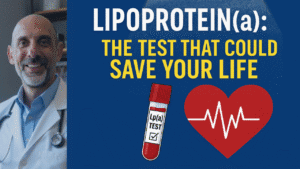
In this short video, I explain exactly why Lp(a) is so dangerous — and why you need to get tested. You’ll learn:
- How Lp(a) is inherited from your parents
- Why your doctor might not even know about it
- What to do if you have high Lp(a)
- What countries like Canada and the UK do differently
Why Haven’t You Heard About This?
There are a few reasons Lp(a) flies under the radar:
- It’s genetic — so diet and exercise don’t directly lower it
- Most U.S. doctors weren’t trained to screen for it
- There are no FDA-approved drugs that specifically lower Lp(a) (yet)
But here’s the critical point❗ Just because there’s no Lp(a)-lowering drug doesn’t mean there’s nothing you can do. In fact,
knowing your Lp(a) level gives you the power to make smarter decisions about your overall cardiovascular health.
What To Do If Your Lp(a) is High
If your Lp(a) is elevated, you’ll want to aggressively manage all your other risk factors:
- Lowering your apoB or LDL-P particle number
- Controlling inflammation
- Improving insulin sensitivity
- Addressing blood pressure, nutrient status, and oxidative stress
- Supporting your body with targeted supplements and lifestyle strategies
These are the very steps I take myself — because I also have high Lp(a). This isn’t just theory. It’s personal.
Who Should Get Tested?
I believe everyone should get tested at least once—just like they do in countries like Canada, the UK, and parts of Europe.
Especially if you have:
- A family history of early heart disease or stroke
- Normal cholesterol but still feel something’s “off”
- High LDL but you’re not sure why
- A personal history of cardiovascular issues at a young age
Why You Need More Than Just One Test
Lp(a) is only one piece of the cardiovascular puzzle. There are other overlooked tests that can reveal hidden risks – like inflammation, advanced cholesterol particles, insulin resistance, and more.
That’s why I created a comprehensive blood test guide to help people understand all the key labs I recommend to my patients.
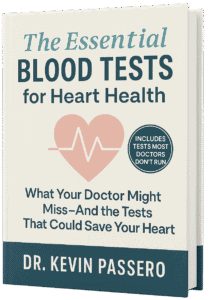
👉 Click here to learn more about this lifesaving guide
This $27 resource could help you or a loved one avoid a missed diagnosis – and take the right steps towards a longer, healthier life.
Final Thoughts: Don’t Wait for a Heart Attack
If there is one thing I want you take away from this article, it’s this:
You can’t rely on standard bloodwork to give you the full picture.
Get your Lp(a) checked. Ask questions. Look deeper. And take control of your heart health before symptoms show up.
Heart disease is often silent—until it’s not. But it’s also preventable. And it starts with the right testing.
To your heart health,
Dr. Kevin Passero
Functional Medicine Naturopathic Doctor
Frequently Asked Questions
Q: Is Lp(a) included in a standard cholesterol test?
A: No. Lp(a) must be ordered separately—it’s not part of your routine lipid panel.
Q: Can you lower Lp(a) with diet or supplements?
A: Not directly. It’s genetic. But you can dramatically lower your overall risk by addressing other modifiable factors.
Q: What’s considered a high Lp(a) level?
A: Levels above 50 mg/dL are generally considered elevated and associated with increased cardiovascular risk.


